

Service
ERP Integration Consulting
Unified order-to-cash and reporting — ERP connected to CRM and billing so the business can run as one.
Ideal for: Organizations consolidating disparate back-office systems after growth or acquisition.
The work
We connect NetSuite, Oracle, or SAP to CRM and billing so finance, sales, and operations share definitions of customer, product, and revenue — the outcome is a closeable, scalable back office.
Capabilities
What we deliver
- ERP selection and planning against operational outcomes
- NetSuite, Oracle ERP, and SAP migration
- CRM and billing integration for end-to-end order-to-cash
- Data migration with reconciliation checkpoints
- Unified reporting across business units
Technologies
ERP Integration Consulting
Unified flow from opportunity in CRM through billing and ERP to recognized revenue.
In depth
How we approach ERP Integration Consulting
Overview of ERP Integration Consulting
We connect NetSuite, Oracle, or SAP to CRM and billing so finance, sales, and operations share definitions of customer, product, and revenue — the outcome is a closeable, scalable back office.
Ideal for: Organizations consolidating disparate back-office systems after growth or acquisition.
ERP integration across the revenue stack
Enterprise resource planning systems — NetSuite, Oracle ERP, SAP — become painful when they drift out of sync with CRM and billing. Finance closes books on different customer definitions than sales forecasts. Inventory or fulfillment data never reaches service agents. Foundation5 specializes in connecting ERP to Salesforce and subscription billing platforms so order-to-cash is traceable end to end.
Cornerstone OnDemand and Internet Brands show the pattern at scale: billing modernization ahead of global expansion, and seven business units consolidated onto shared reporting with Pentaho BI feeding executive dashboards. In both cases, ERP and CRM work moved together so finance, sales, and operations adopted shared definitions instead of sequential silos.
We plan data migration with reconciliation checkpoints — not big-bang cutover hope. Chart of accounts mapping, historical transaction loading, parallel run periods, and rollback criteria are standard deliverables. System-of-record decisions for customer, product, and price happen before field mapping debates.
Where CRM and ERP disagree — and how we settle it
Most painful programs are not 'NetSuite projects' or 'Salesforce projects.' They are master-data conflicts wearing platform costumes. We facilitate workshops that pick owners: which system wins for customer master, which for product catalog, which for invoices, and how exceptions are logged.
Integration patterns follow latency and failure needs: real-time for entitlement checks, batch for financial close extracts, event-driven for high-volume activity. Error queues get named human owners — technical alerts alone do not protect revenue recognition. Pair ERP work with Salesforce & CRM consulting when pipeline and cash must tell one story.
- NetSuite, Oracle ERP, and SAP with Salesforce and subscription billing
- Chart-of-accounts and historical transaction migration plans
- Parallel run and reconciliation checkpoints before retire of legacy
- Documented entity ownership your team can defend after we leave
ERP program risks we mitigate
Scope creep, underestimated data cleansing, and under-resourced internal product owners kill ERP timelines. We enforce phased delivery with executive steering reviews and clear acceptance criteria per wave. Integration architecture is documented so your team understands which system owns each entity long after consultants leave.
When process is the real blocker — not the ledger — we pull in process engineering before more middleware. Automating a broken quote-to-cash path inside ERP only accelerates exceptions.
Capabilities and deliverables
Every engagement is scoped to your timeline and internal capacity. Representative deliverables:
- ERP selection and planning against operational outcomes
- NetSuite, Oracle ERP, and SAP migration
- CRM and billing integration for end-to-end order-to-cash
- Data migration with reconciliation checkpoints
- Unified reporting across business units
Related services and proof
Explore adjacent practices that often travel with ERP integration.
Related case studies


CRM & billing ready for acquisition growth
Cornerstone OnDemand
Reimplemented Salesforce and billing so the platform could absorb global expansion and acquisitions without breaking lead-to-cash.
Read More →

$220M+ billings unified
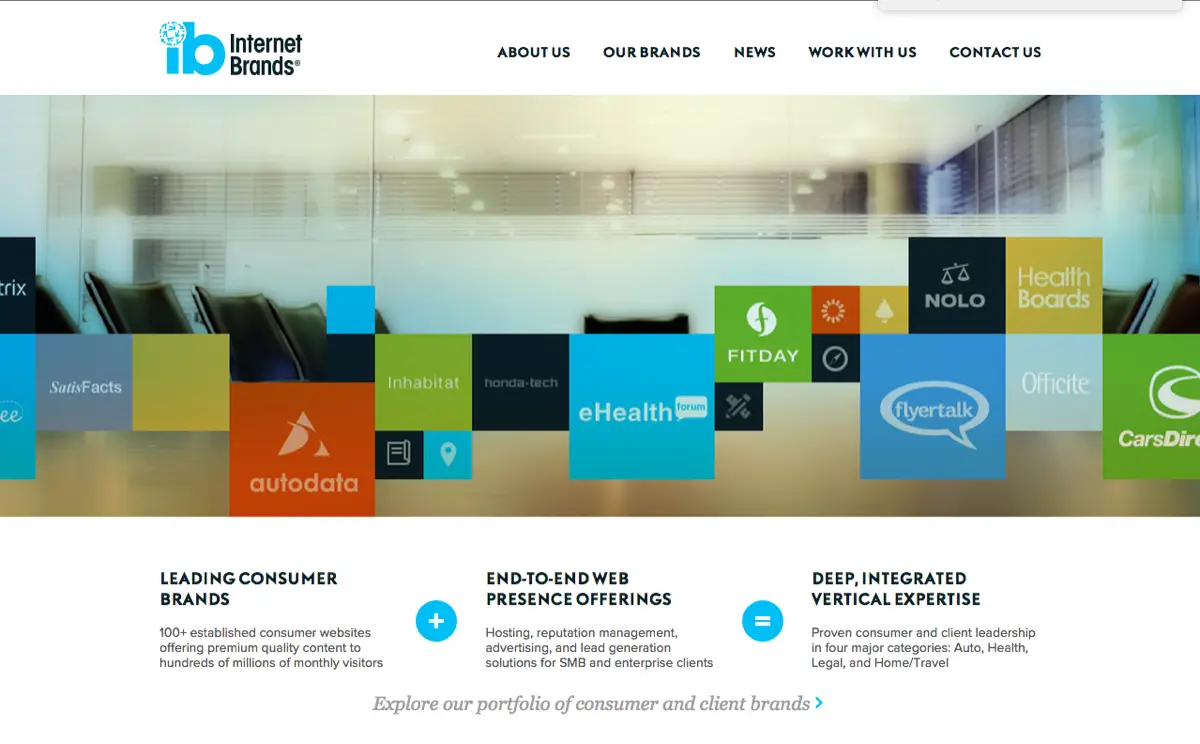
Internet Brands
Unified seven website-building business units onto one Salesforce platform with organization-wide reporting on $220M+ in annual billings.
Read More →
Related articles
Practitioner notes that pair with this practice — process, adoption, and AI readiness.
Digital Transformation · 5 min read
CRM and ERP: One Source of Truth
When finance and sales disagree on customer and product — how to pick systems of record before integration theater.
Digital Transformation · 5 min read
ERP Migration Parallel-Run Checklist
Reconciliation checkpoints, chart-of-accounts mapping, and rollback criteria — so financial close survives cutover.
FAQ
Questions about ERP Integration Consulting
Straight answers about how we approach this work and what to expect.
Which ERP platforms do you work with?
Primarily NetSuite, Oracle ERP, and SAP, integrated with Salesforce and subscription billing platforms so order-to-cash is traceable end to end. Platform choice follows your existing licenses and team skills, not a preferred vendor relationship.
How do you handle data migration risk?
With reconciliation checkpoints, not a single big-bang cutover. Chart-of-accounts mapping, historical transaction loading, and parallel run periods are standard so finance can validate numbers before old systems are retired.
What if CRM and ERP disagree on customer or product data?
We define which system owns each entity — customer master, product catalog, pricing — before configuration begins. That single source of truth is what prevents duplicate records and dashboards nobody trusts.
Can ERP integration happen alongside a Salesforce project?
Yes, and it often should. Cornerstone OnDemand and Internet Brands both combined billing and ERP work with Salesforce changes so finance, sales, and operations moved to shared definitions together instead of in separate phases.
Schedule a consultation
Talk to us about erp integration consulting for your organization.